N|Solid SaaS Dashboard
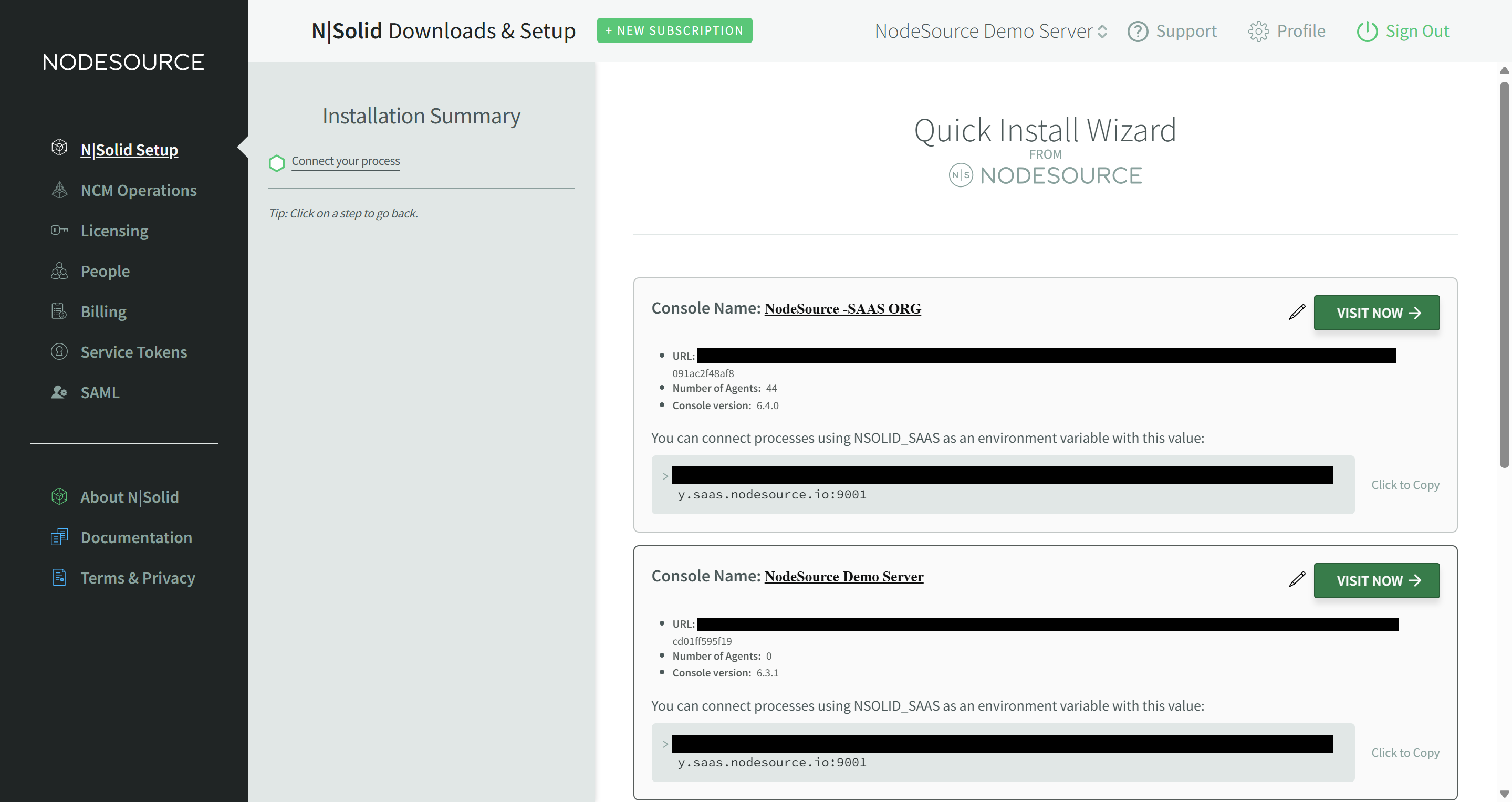
The N|Solid SaaS dashboard in NodeSource Accounts is where you open your N|Solid SaaS Console, see its status, and follow guided steps to connect your applications and serverless functions. You also manage people, billing, service tokens, and SAML from here.
Open your N|Solid SaaS Console
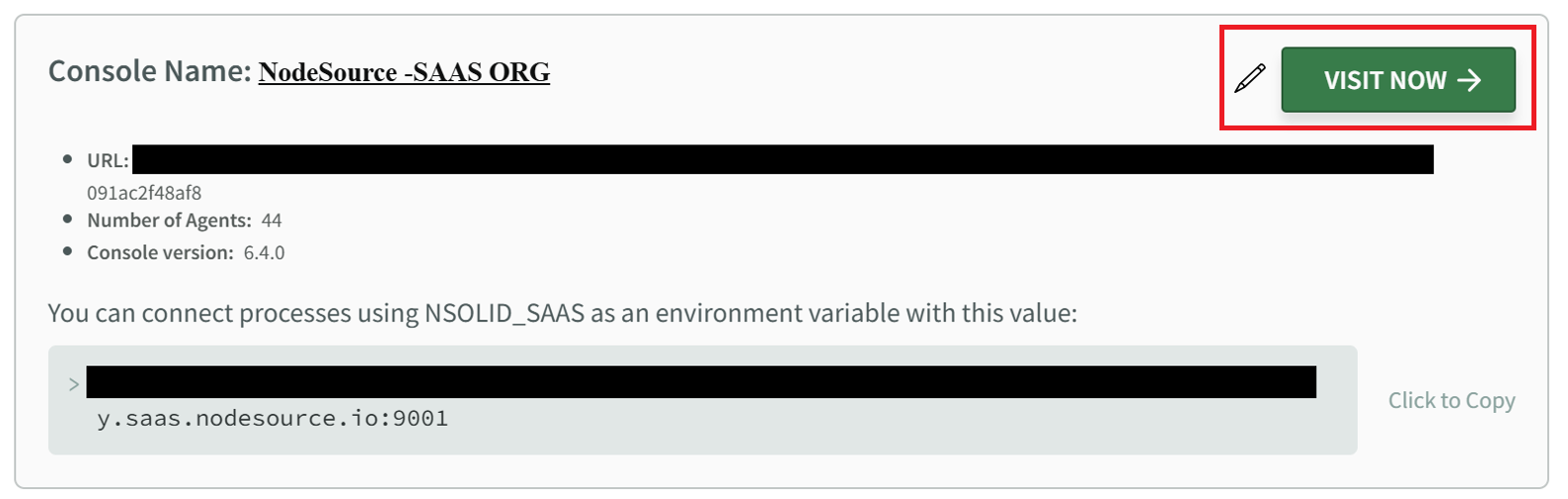
Click the green VISIT NOW! button to open your N|Solid SaaS Console in a new browser window.
Multi-console management
If you have access to more than one Console, use the console switcher in the header to choose which Console's details the page shows.
Console information
-
Console name: click the edit (pencil) icon next to the Console status to change it.

-
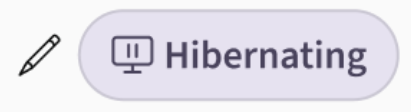
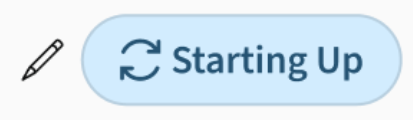
Console status: Visit Now, Hibernating, or Starting Up.
-
Console details: URL, number of agents, and Console version.

-
SaaS environment variable: click anywhere in the gray area to copy it.

Connect your processes
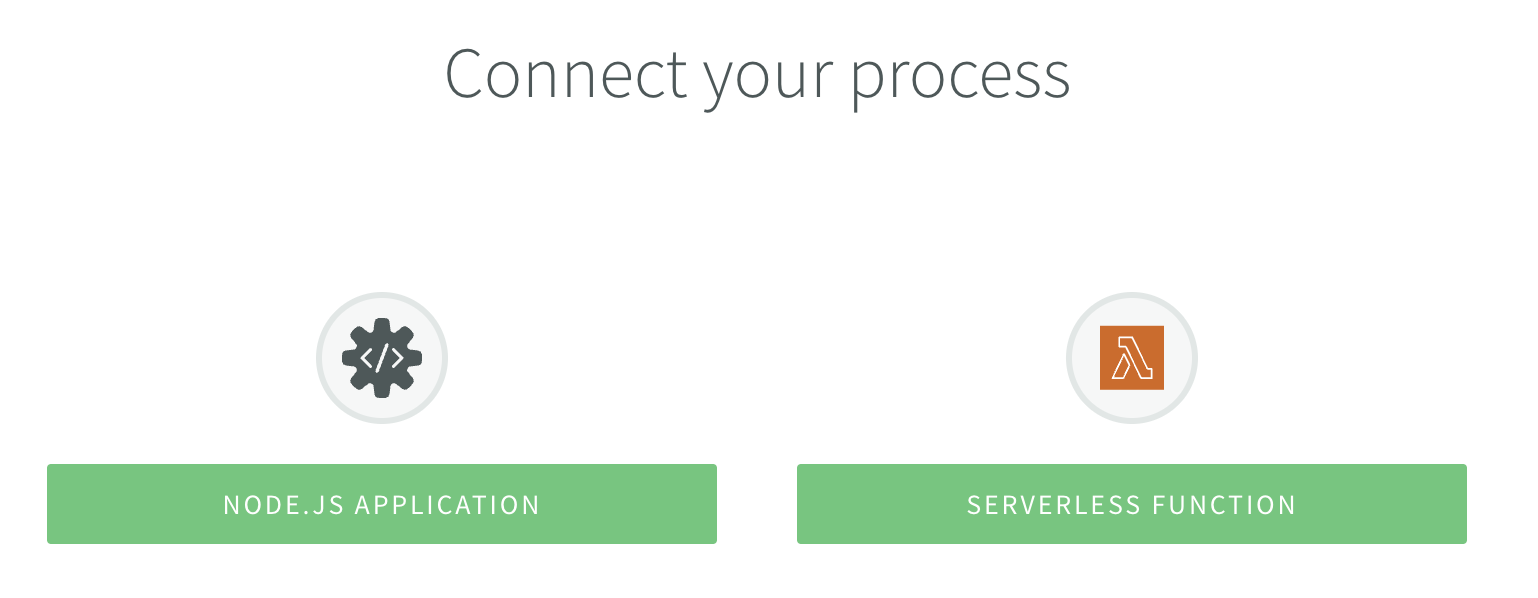
The Connect your processes section, below the Console information, walks you through connecting your applications or AWS Lambda functions to the N|Solid Console.
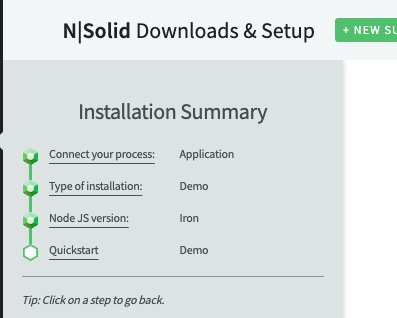
As you go, the Installation Summary menu on the left shows the steps you've completed.
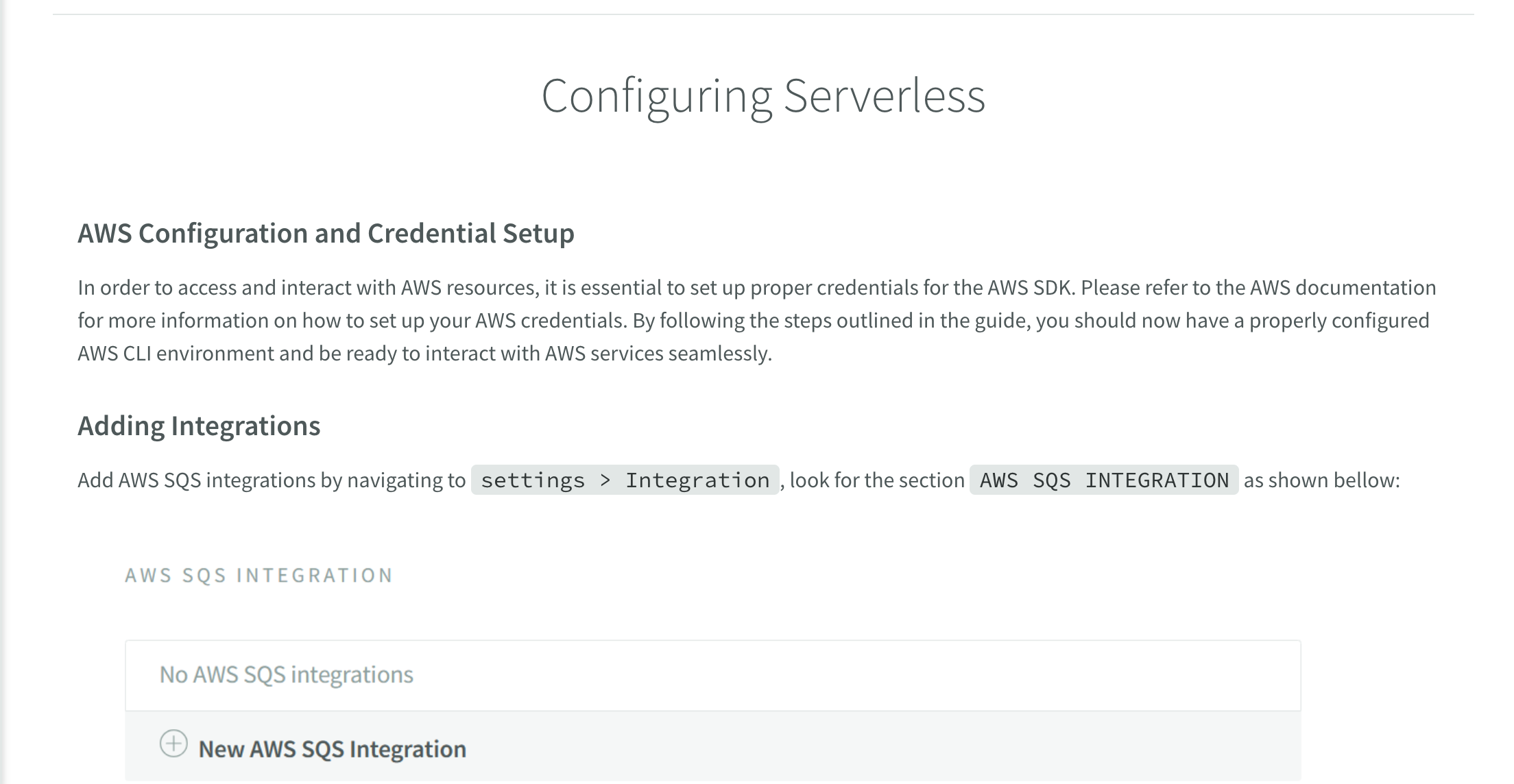
Serverless
Click Serverless Function to see the steps for connecting AWS Lambda functions to the N|Solid Console.
Application
Click NODE.JS APPLICATION and choose an installation type:
- Demo: try the N|Solid Console with a sample application, without installing the N|Solid Runtime in your own application.
- Production: install N|Solid for your own application.
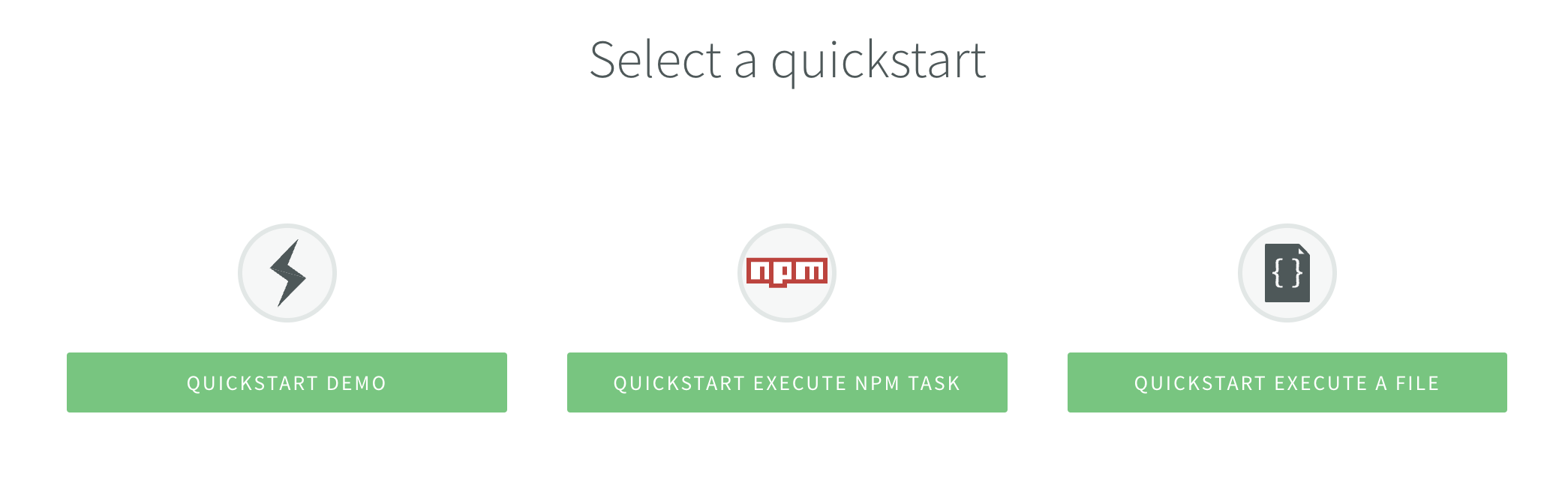
Demo
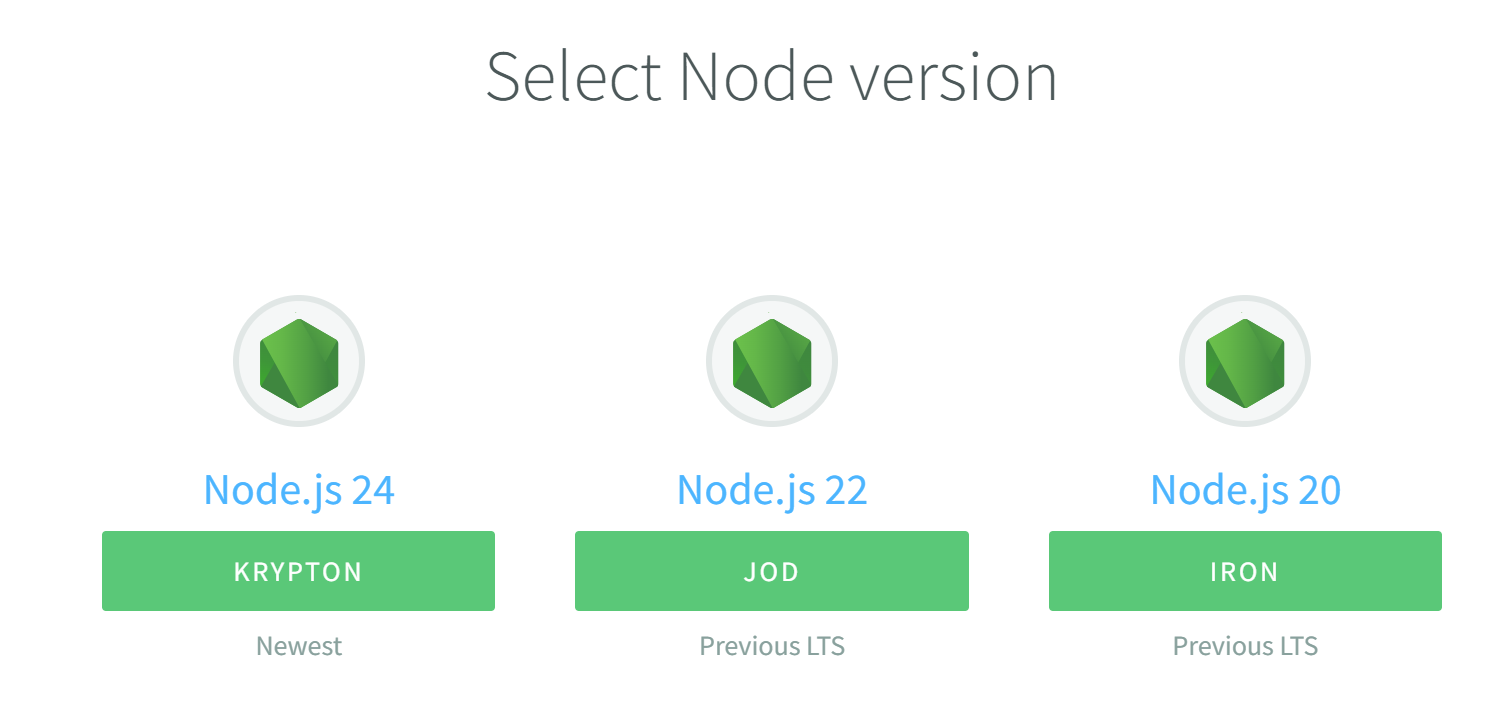
After you choose Demo, pick a Node.js version, then follow the steps to run the N|Solid Quickstart demo. You can run a demo application, an npm task, or a file.
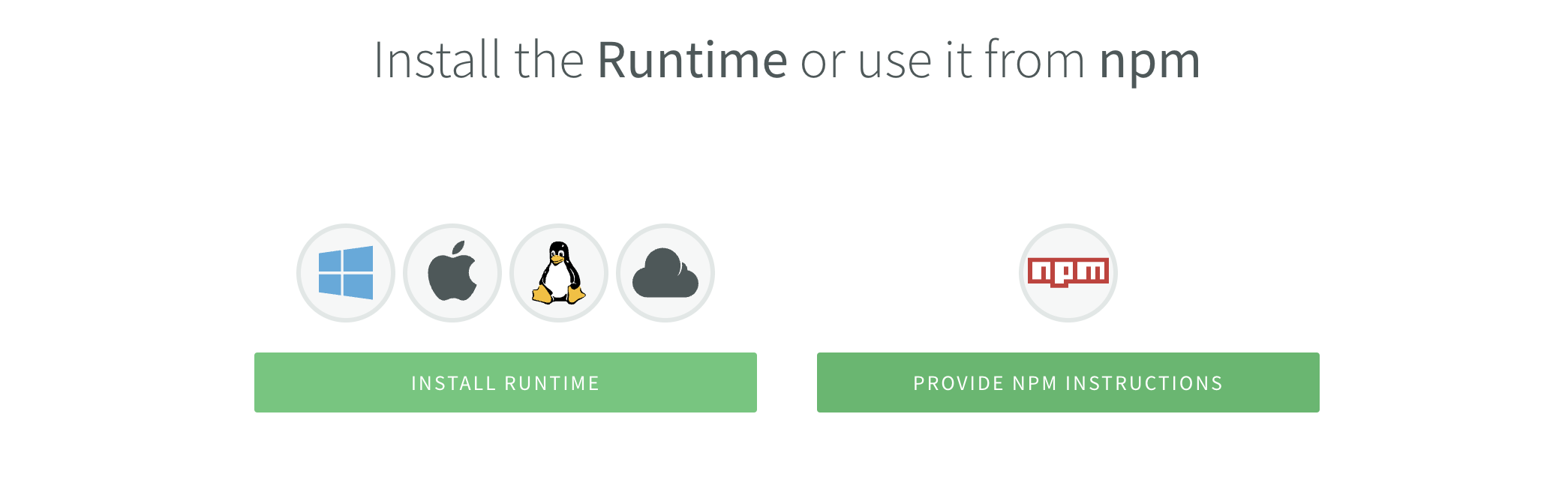
Production
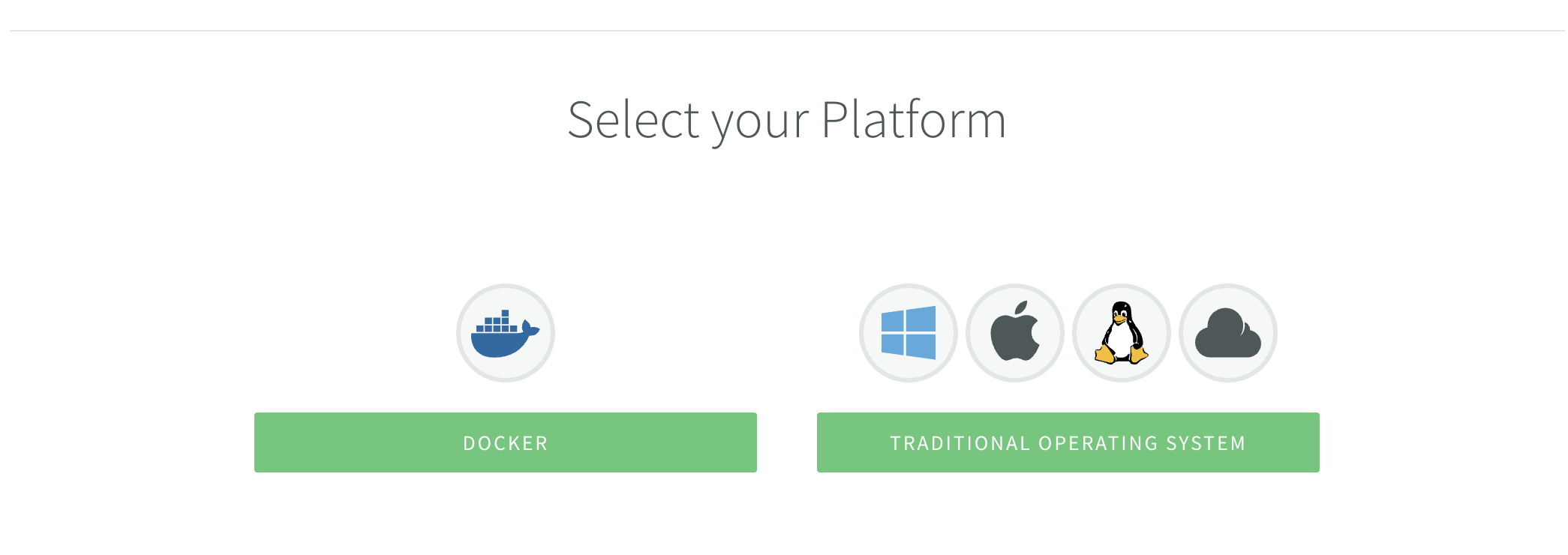
The production flow walks you through installing N|Solid in your application. Choose whether to install with npm or the N|Solid Runtime, pick a Node.js version, and then choose Docker or a traditional operating system.
Settings
The left navigation includes Licensing, People, Billing, Service Tokens, and, for enterprise subscriptions, SAML. For details, see Subscription settings.
Licensing
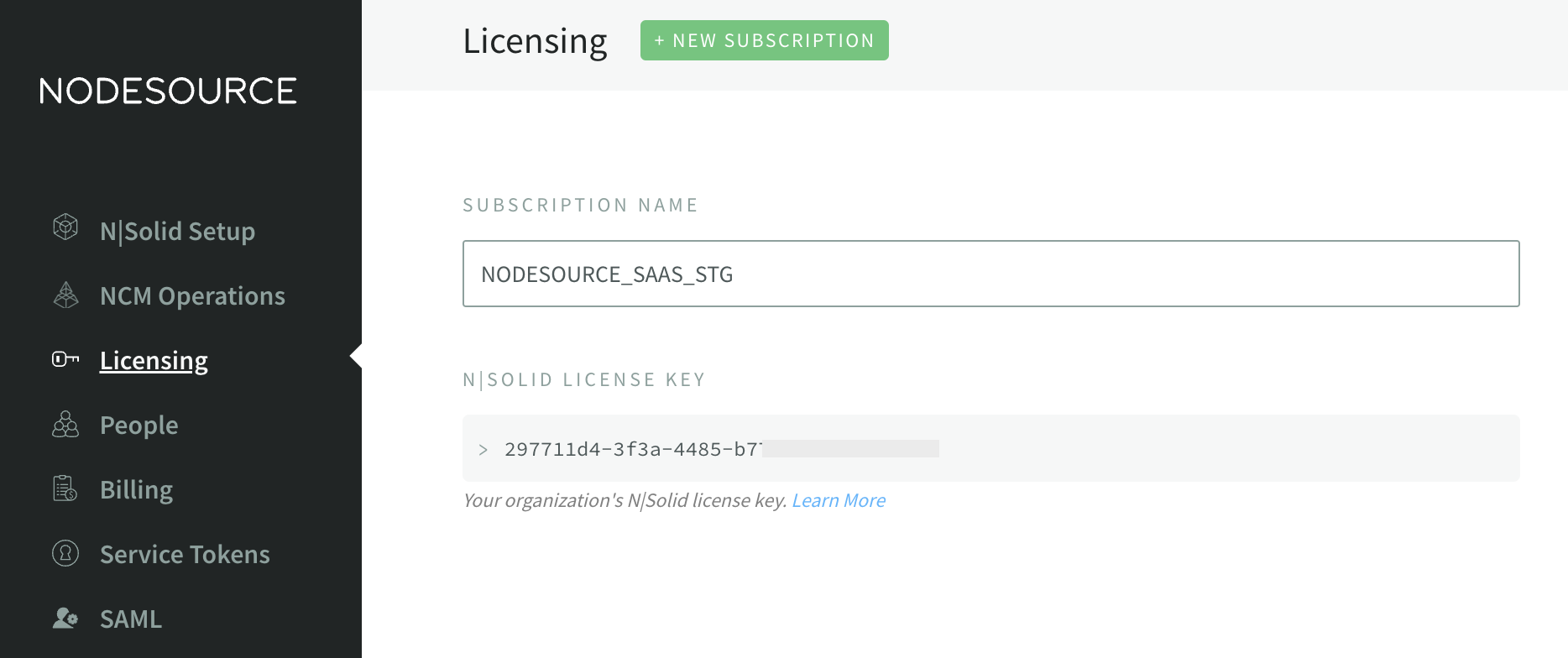
On Licensing, you can view your N|Solid license key and edit the subscription name.
People
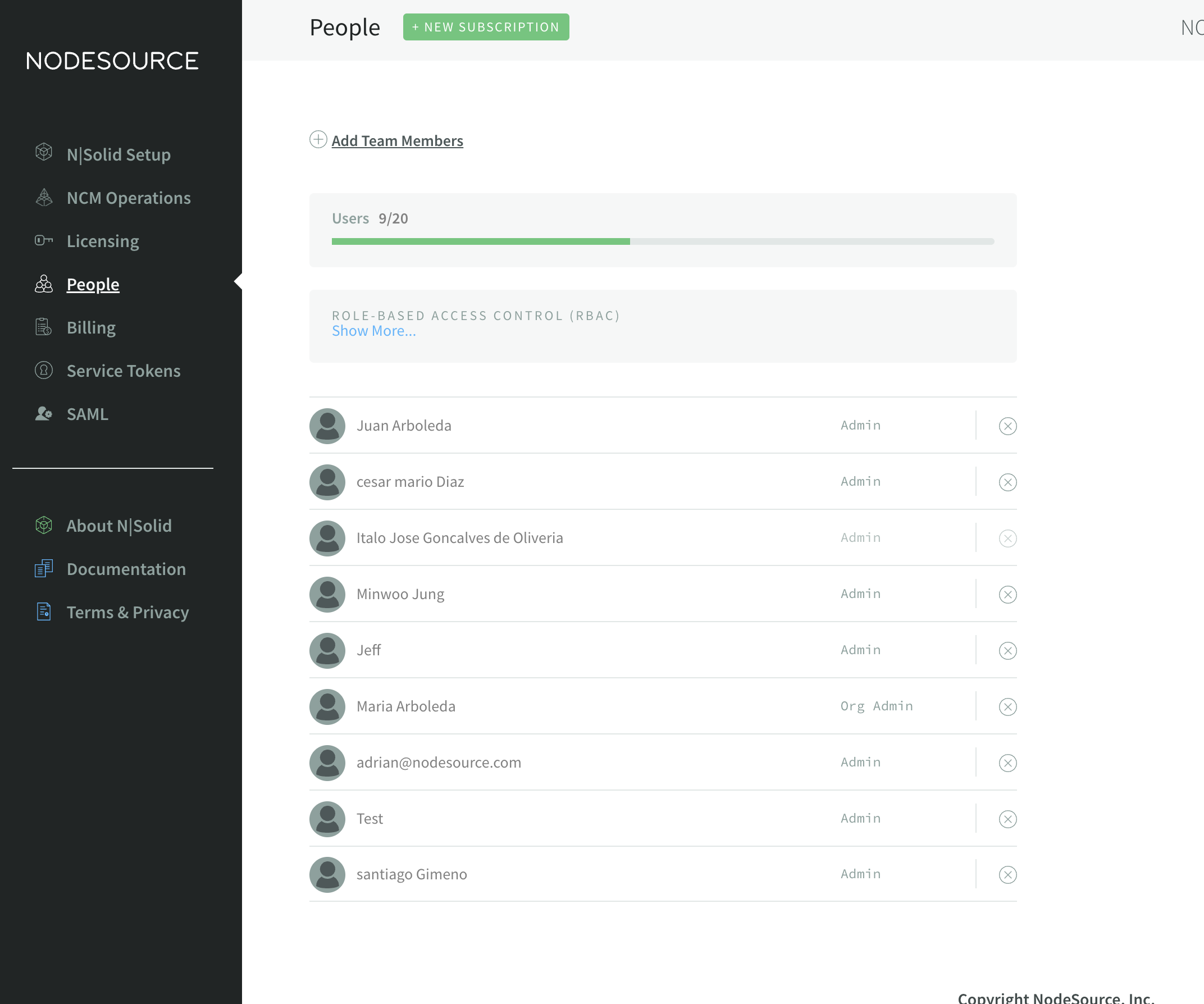
People lists your subscription's team members. From here you can invite, remove, and manage team members, and change a member's role in the column on the right.
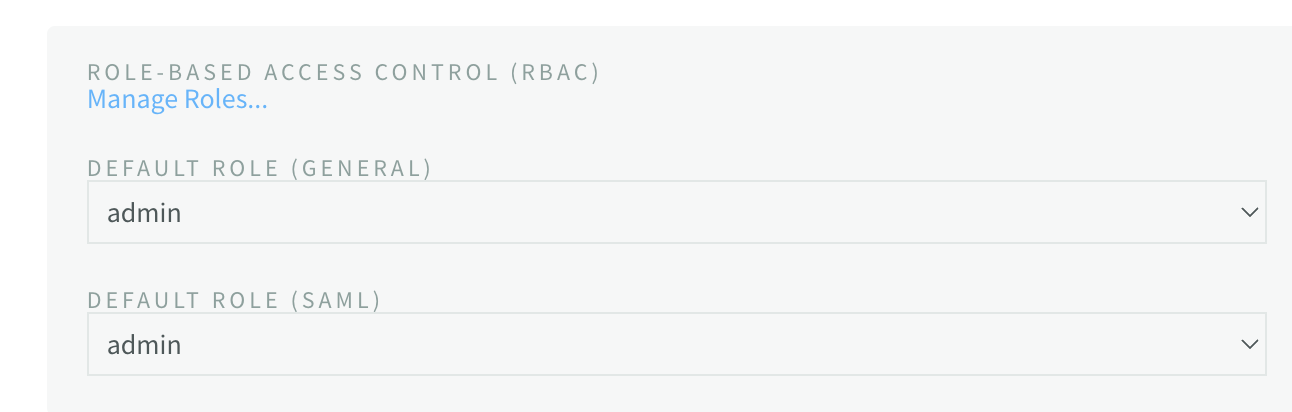
Click Show More... under Role-based access control (RBAC) to configure roles. See Role-based access control.
Billing
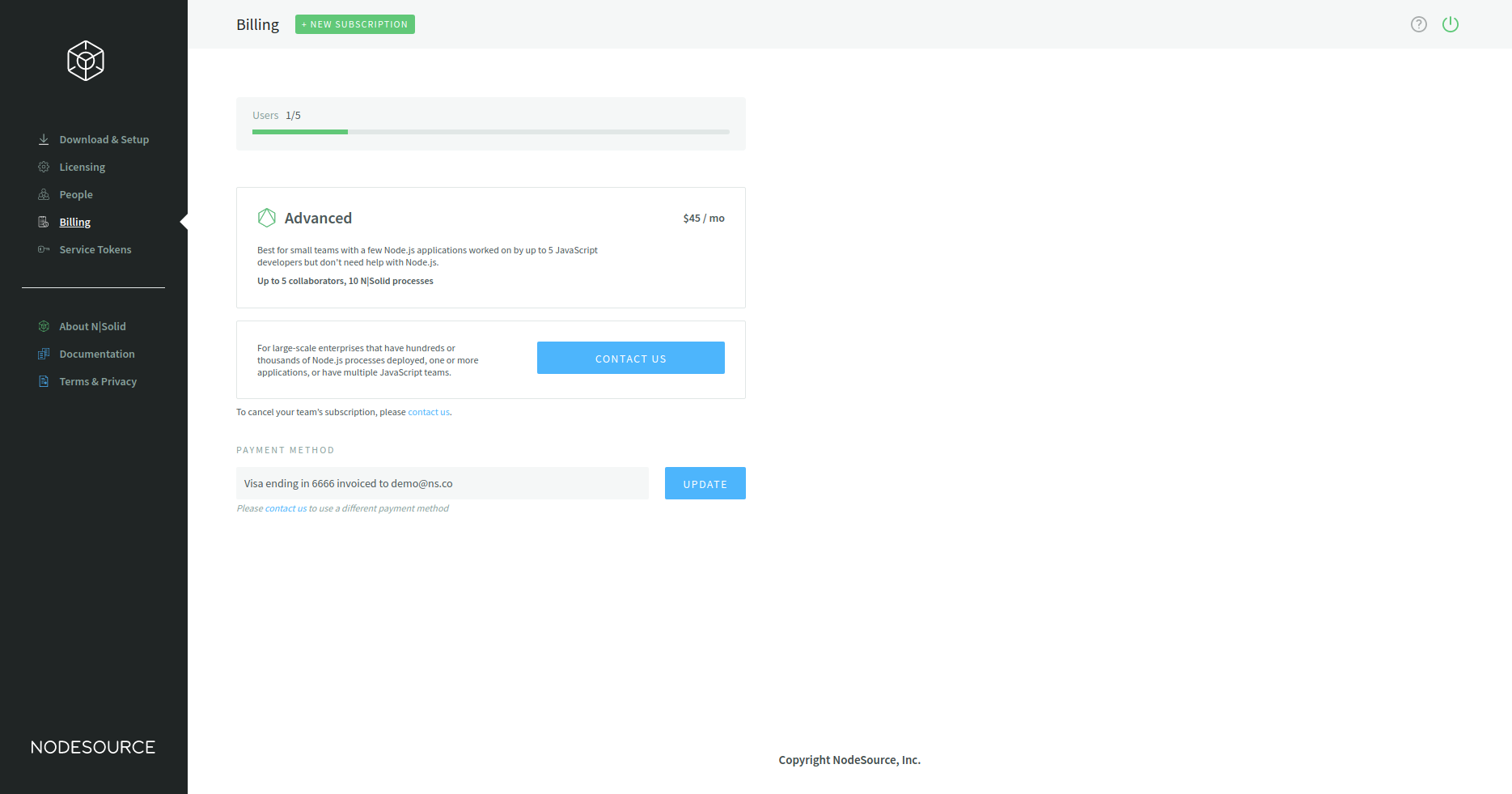
Billing shows usage for your subscription, including the number of current users. You can also upgrade your plan here.
Service Tokens
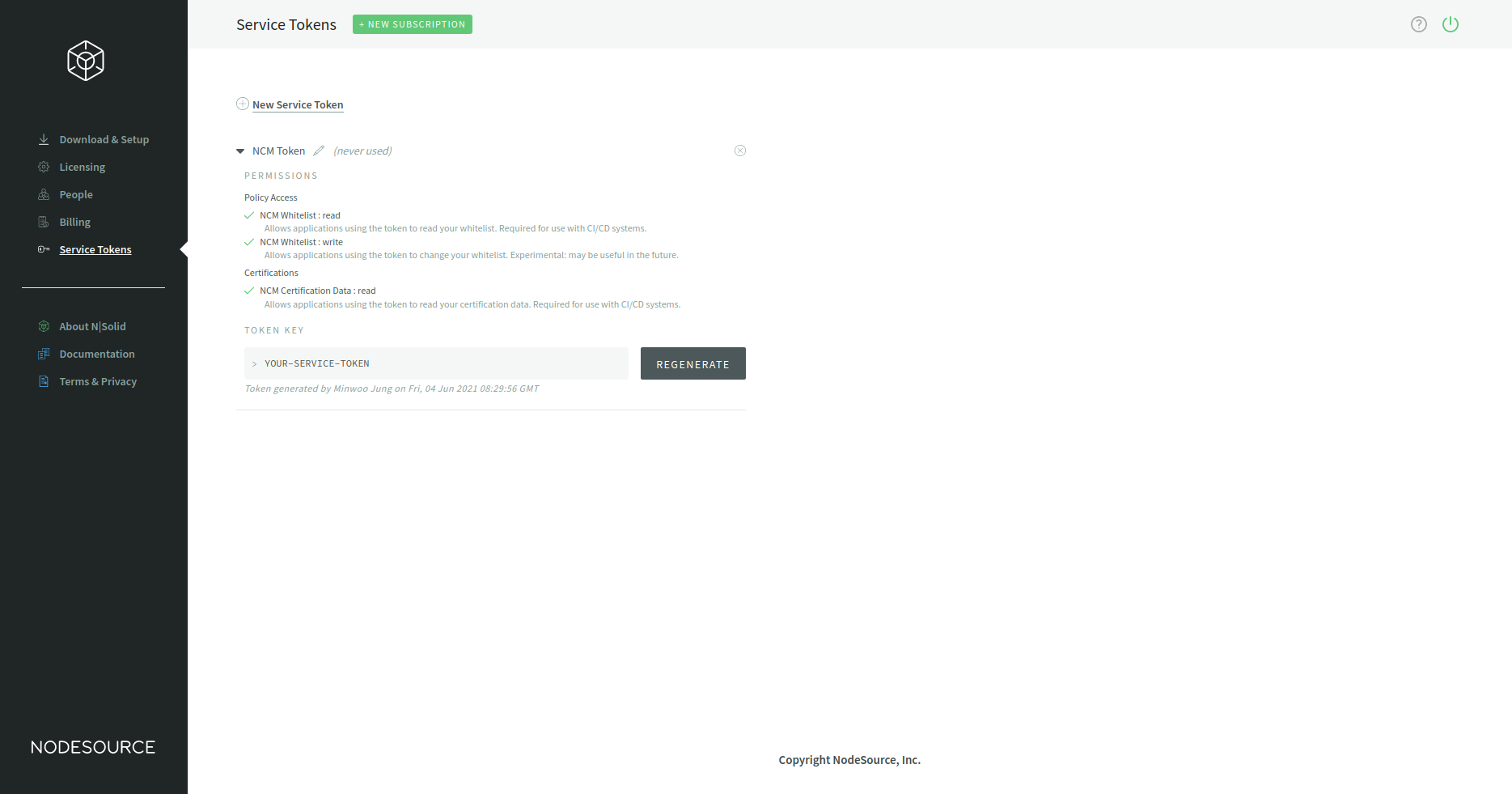
Service Tokens lets you create, rename, regenerate, and delete service tokens for CI/CD, the N|Solid Console API and MCP server, and the N|Solid IDE extension. Each token is granted permissions for NCM (whitelist and certification data) and the N|Solid Console API. See Service tokens.
SAML
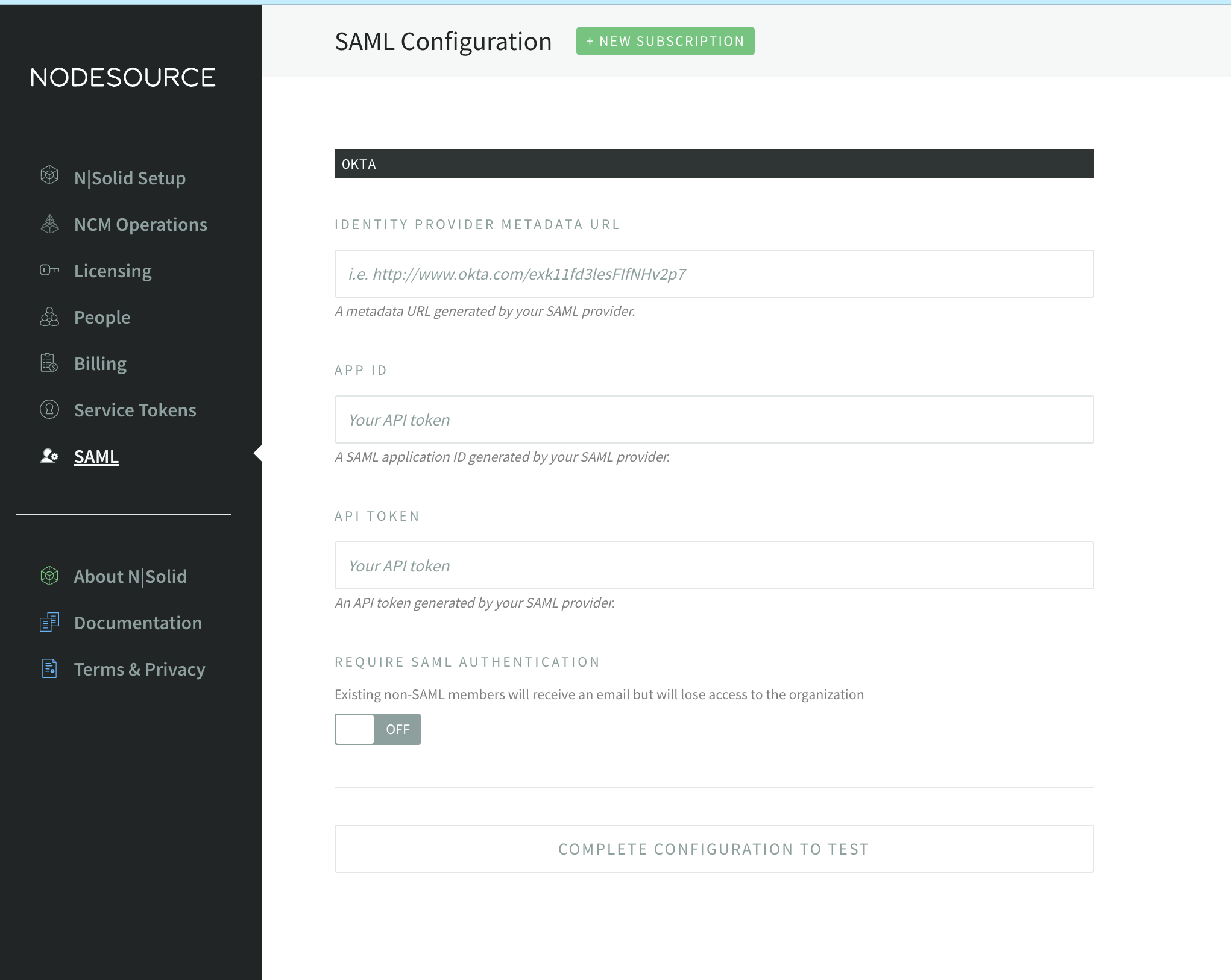
Enterprise subscriptions can use an identity provider (IdP) such as Okta, PingOne, or OneLogin to manage access to N|Solid and NodeSource Accounts through SAML single sign-on. SAML (Security Assertion Markup Language) is an open standard for exchanging authentication and authorization data between an identity provider and a service provider. See Configure SAML SSO.